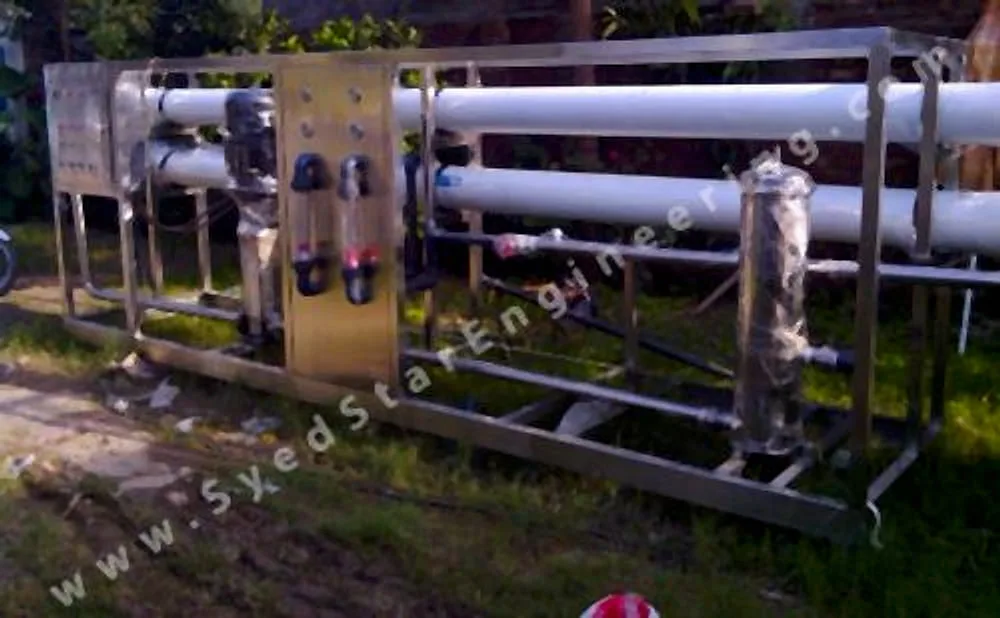
Reverse osmosis (RO) is the heart of most packaged drinking water plants, and of the water treatment room in many beverage and food factories. But the RO membranes are only one part of the system. Most RO problems start upstream, when the water reaching the membranes hasn't been prepared properly.
This guide walks through a typical plant, stage by stage.
1. Raw water and pre-chlorination
Water arrives from a borehole, municipal supply or tanker and is held in a raw water tank. It is often dosed with chlorine at this point to control bacteria and to oxidise dissolved iron and manganese so they can be filtered out.
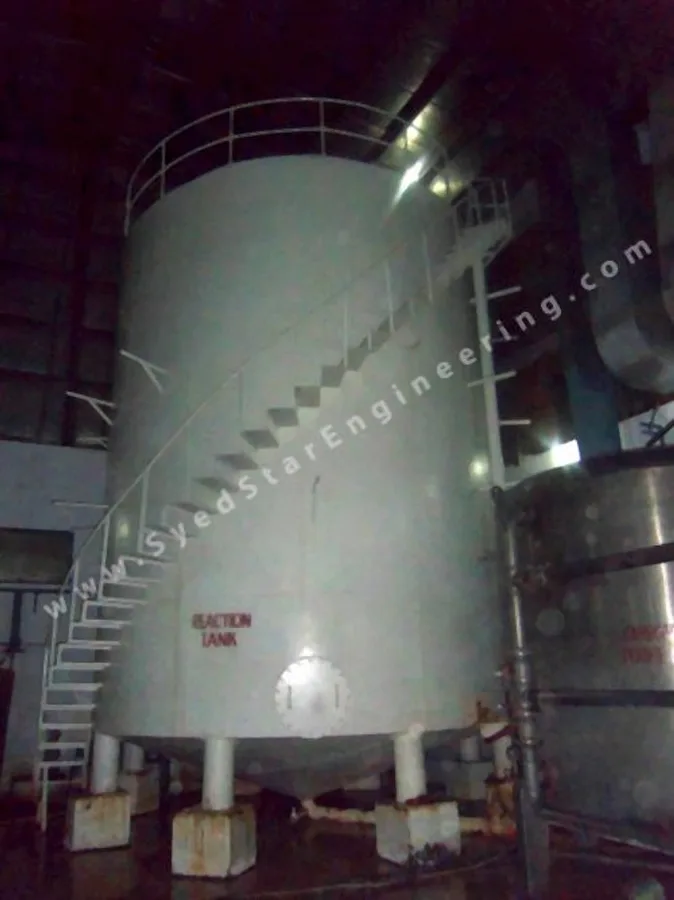
A reaction tank gives the chlorine enough contact time to work before the water moves on.
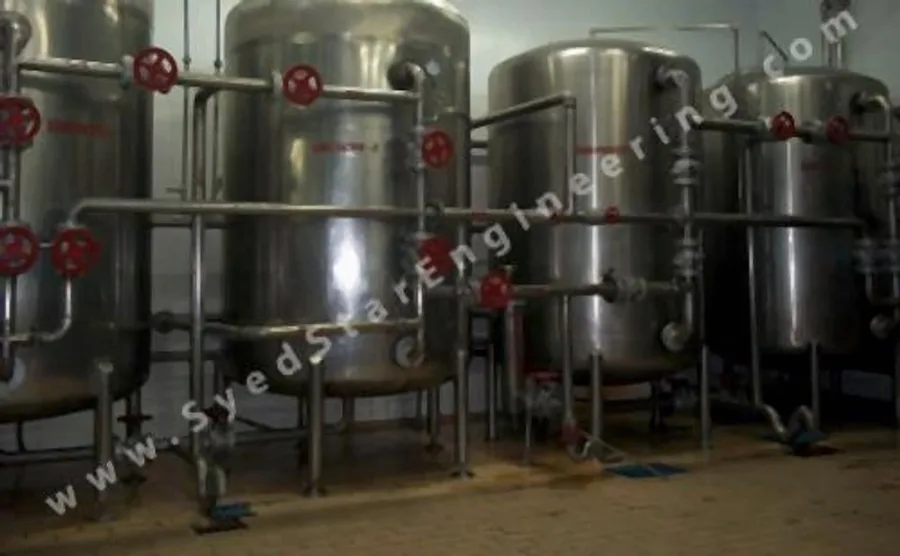
2. Sand (multimedia) filtration
A pressure sand filter traps suspended solids: silt, rust particles and the oxidised iron from the previous step. Turbidity has to come down here, because particles would otherwise foul the finer filters and membranes downstream.
Sand filters are cleaned by backwashing: water is pumped through in reverse to lift and flush out what they have caught.
3. Activated carbon filtration
An activated carbon filter removes chlorine, along with odours, colour and many organic compounds.
Removing chlorine is essential. Most RO plants use thin-film composite membranes, and free chlorine damages them permanently. The carbon filter is what makes pre-chlorination safe for the membranes.
4. Softening or antiscalant dosing
Hard water contains calcium and magnesium. As RO concentrates these minerals, they can form scale on the membrane surface. Depending on the water analysis, plants use a softener, dose an antiscalant chemical, or both.
5. Cartridge (micron) filter
Just before the high-pressure pump, a cartridge filter (commonly rated around 5 microns) catches any fine particles that got through, including carbon fines. It is the final guard for the pump and membranes and should be changed regularly.
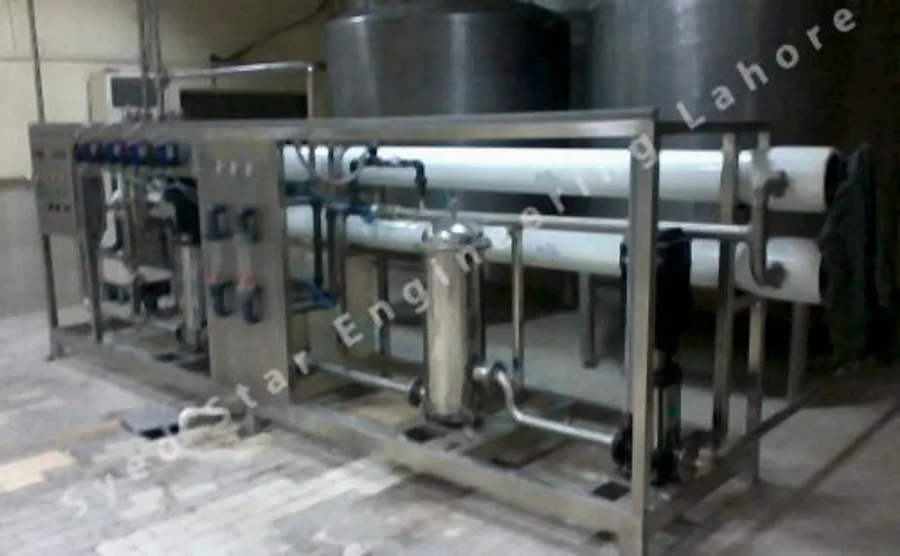
6. High-pressure pump and RO membranes
A high-pressure pump pushes water against the membranes. Water molecules pass through; most dissolved salts can't. The flow splits into two streams:
- Permeate: the purified product water
- Concentrate (reject): the remaining water carrying the rejected salts to drain
Good membranes typically reject the large majority of dissolved salts, which is why RO water has a much lower TDS (total dissolved solids) than the feed.
Recovery: why RO "wastes" water
Recovery is the share of feed water that becomes permeate. Pushing recovery too high concentrates minerals so much that they scale the membranes. The safe recovery depends on your water analysis; for many well and municipal waters it lands somewhere around half to three-quarters of the feed. Plan your raw water supply and drainage accordingly.
7. Post-treatment
RO water is very pure, but most bottlers don't stop there:
- Disinfection: UV treatment and/or ozonation to keep water microbiologically safe in storage and in the bottle
- Remineralisation or blending: adding back a controlled amount of minerals for taste and stability
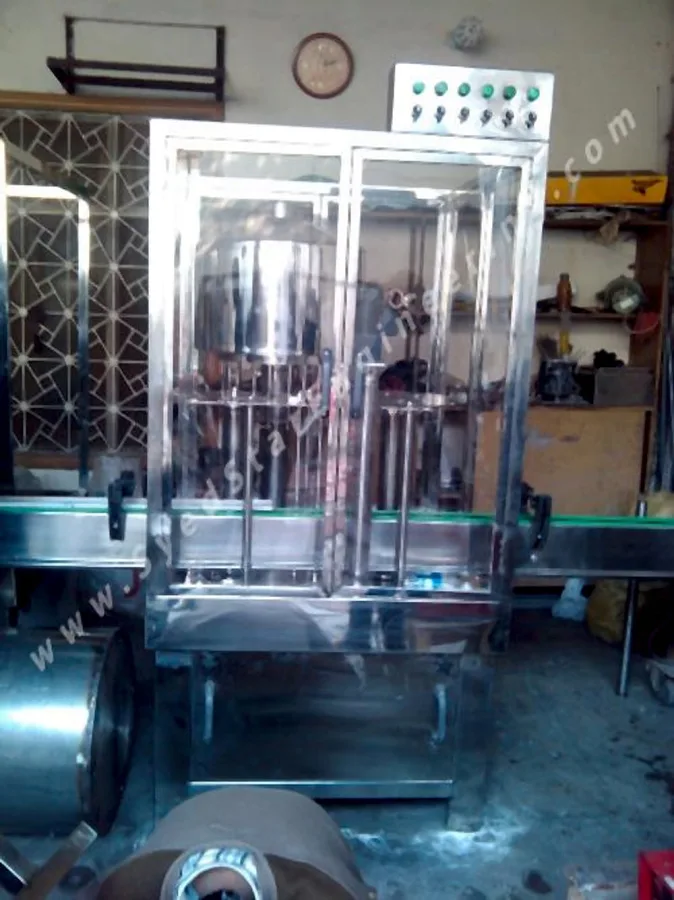
- Final filtration before the filling machine
8. Treated water storage
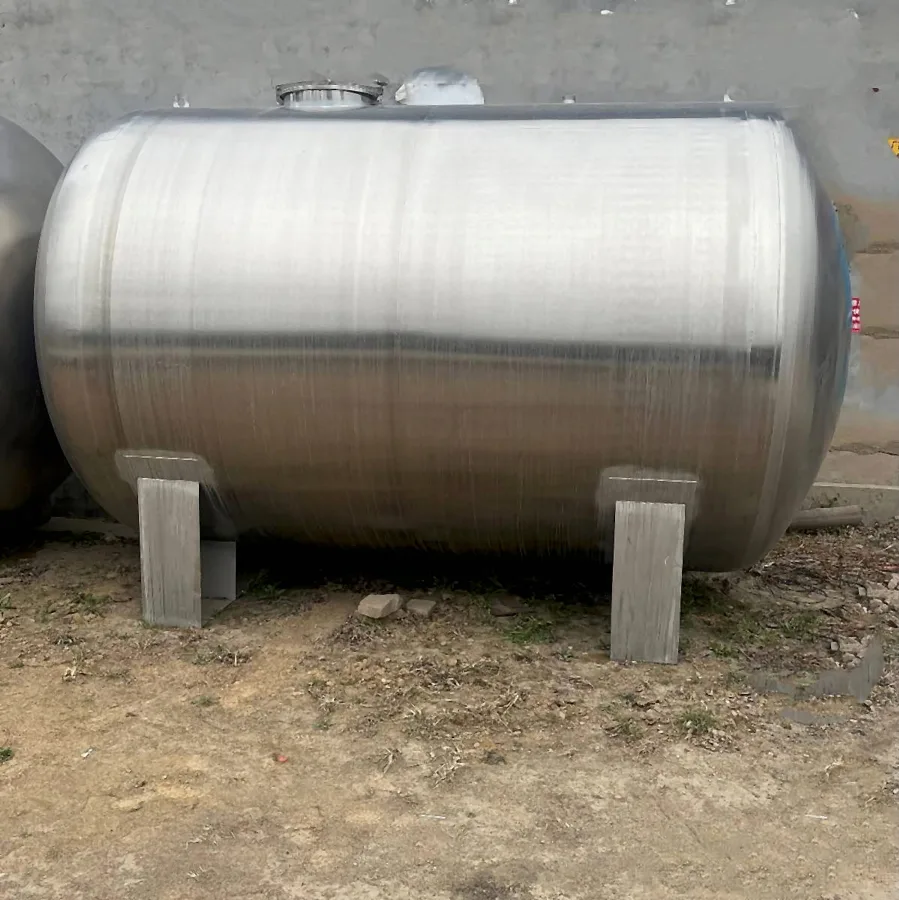
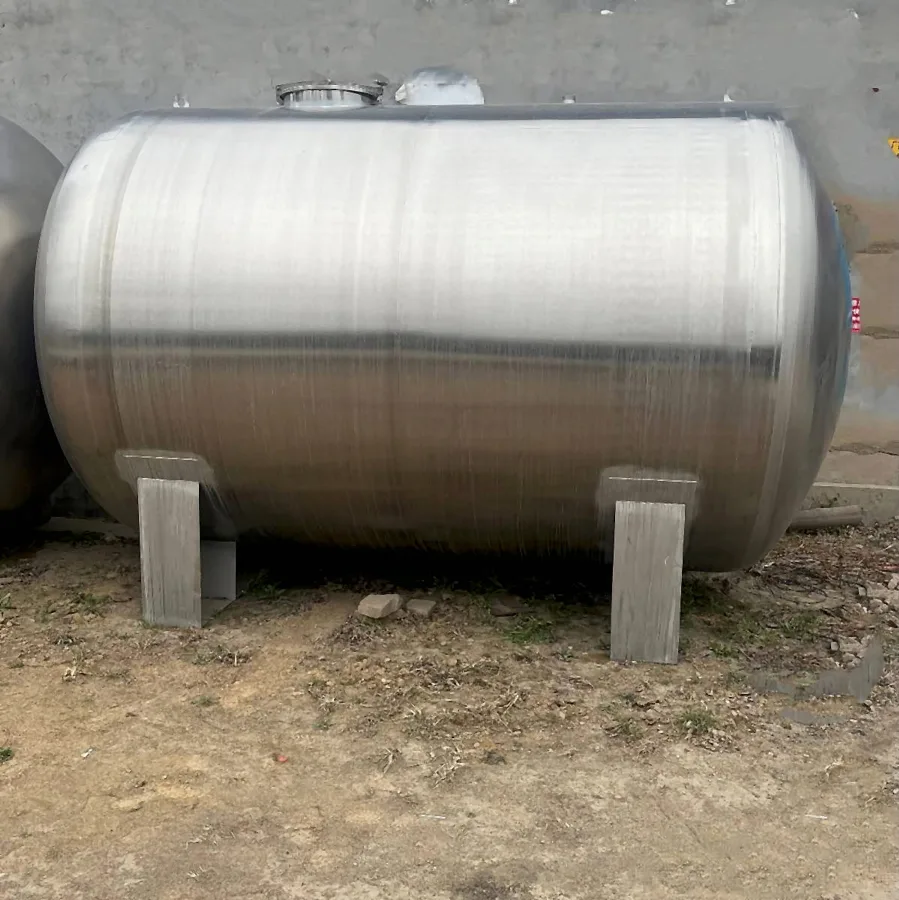
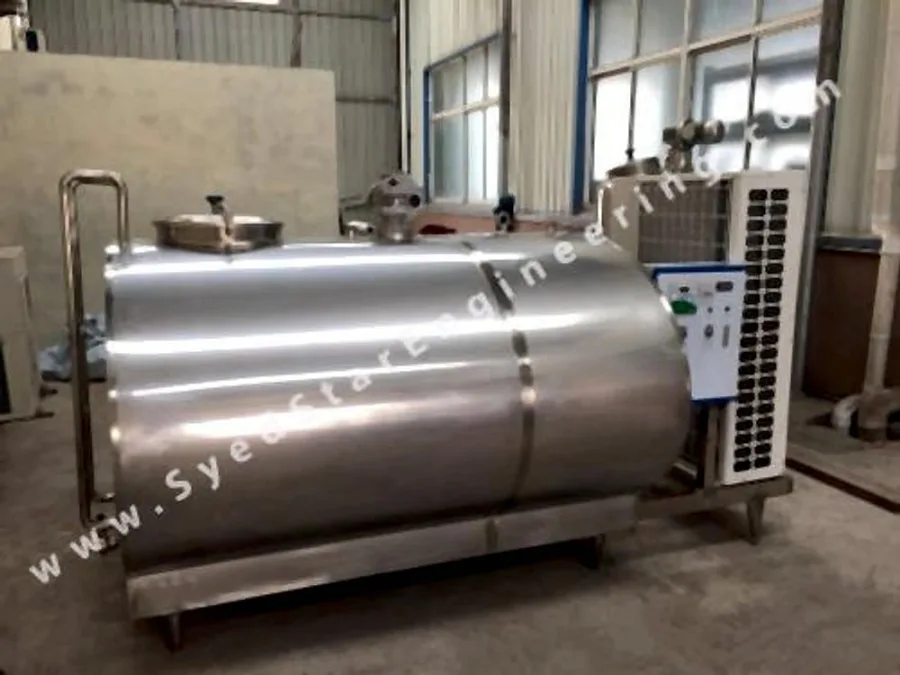
Finished water is held in stainless steel storage tanks with sealed covers, sanitary fittings and outlets that drain completely. Storage should be sized to buffer the filling line so it never runs short at peak output.
Sizing an RO plant: what to know first
Before you ask for a quotation, gather:
- A raw water analysis: TDS, hardness, iron, chlorides, silica and turbidity. This decides the pre-treatment design.
- Required product water per hour, including water for syrup, cleaning and utilities, not just the bottles.
- Operating hours per day.
- Water temperature. Membranes produce less water when it's colder, so a plant must be sized for the coldest months.
- Space, power supply and drainage at the site.
Keeping the plant healthy
- Backwash sand and carbon filters on schedule
- Change cartridge filters regularly; don't wait for them to clog
- Log feed pressure, permeate flow and TDS every shift. A steady change in these numbers is the early warning for fouling or scaling.
- Clean the membranes chemically (CIP) when performance drops, before it gets severe
- Replace carbon media when chlorine starts breaking through
A note for bottled water producers
Packaged drinking water is a regulated product. In Pakistan, producers must meet PSQCA and food authority requirements for product quality and licensing. Confirm the current requirements with the authorities before you finalise your plant design, so your treatment and testing steps match them.
A well-designed RO plant, fed with properly pre-treated water and maintained on schedule, gives consistent water quality and long membrane life. Share your water analysis and daily requirement with your supplier, and ask them to explain each stage they propose.