Starting or expanding a bottled water or soft drink plant is a big investment. Most costly mistakes aren't about choosing the wrong filler. They come from undersized water treatment, missing utilities or a cramped layout that wasn't thought through before ordering.
Use this checklist to prepare, and to compare supplier quotations on equal terms.
1. Define your products and pack sizes
Write down exactly what you will make:
- Product type: still water, carbonated soft drinks, juice drinks, or a mix
- Pack sizes: for example 500 ml and 1.5 L PET bottles, glass bottles, or 19-litre jars
- Closure type: screw caps, crown caps or ROPP caps
- Future products you may add in the next few years
Pack size matters because filling and capping machines need change parts for each bottle and cap size. Ask for them up front.
2. Set a realistic capacity
Express capacity in bottles per hour (BPH) for each pack size. Then check it against real demand:
- How many shifts per day will you run?
- What are the seasonal peaks (summer demand for water and soft drinks can be much higher)?
- How much time will you lose to changeovers, cleaning and maintenance?
A line running close to its maximum all day is a line with no margin. Plan some headroom.
3. Size the water treatment for the whole plant
Water treatment is often undersized because it's calculated only from bottle volume. Include:
- Water in the product itself
- Water for syrup preparation
- Rinsing and cleaning (CIP) water
- Utility and washroom use
Start with a raw water analysis. It decides the pre-treatment you need (sand and carbon filters, softening, dosing) before the RO plant. See our guide on how an RO water treatment plant works.
4. For soft drinks: plan the syrup room
Carbonated drinks need a dedicated, hygienic syrup room:
- Sugar dissolving: a jacketed tank to dissolve sugar in treated water
- Filtration: a filter press or similar to clarify the syrup
- Syrup storage and blending: stainless steel tanks for simple and finished syrup
- Carbonation and cooling: a carbo cooler chills the drink and dissolves CO₂. Carbon dioxide dissolves better in cold liquid, so cooling and carbonation go together.
Keep the syrup room physically separate from dusty areas, with washable floors and walls and good drainage.
5. The bottling block
The core of the line usually runs in this order:
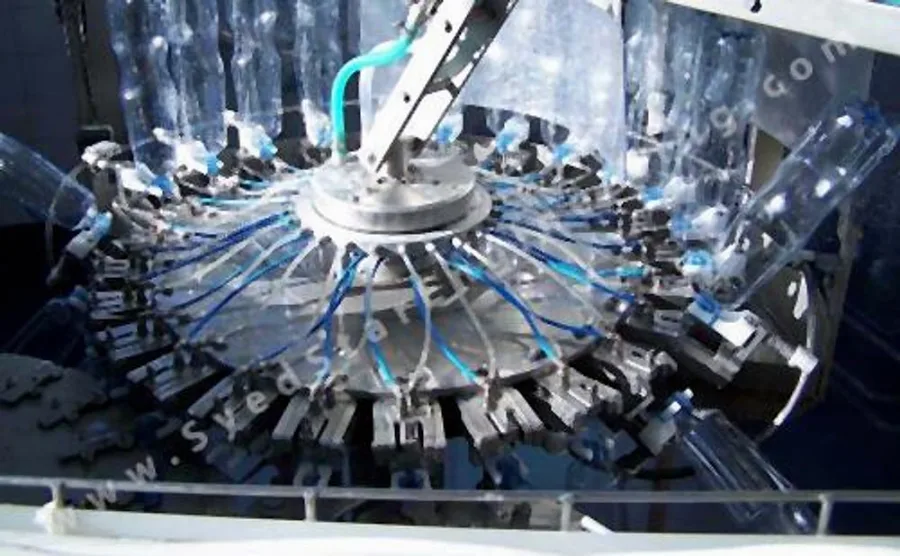
- Rinser: rinses bottles just before filling
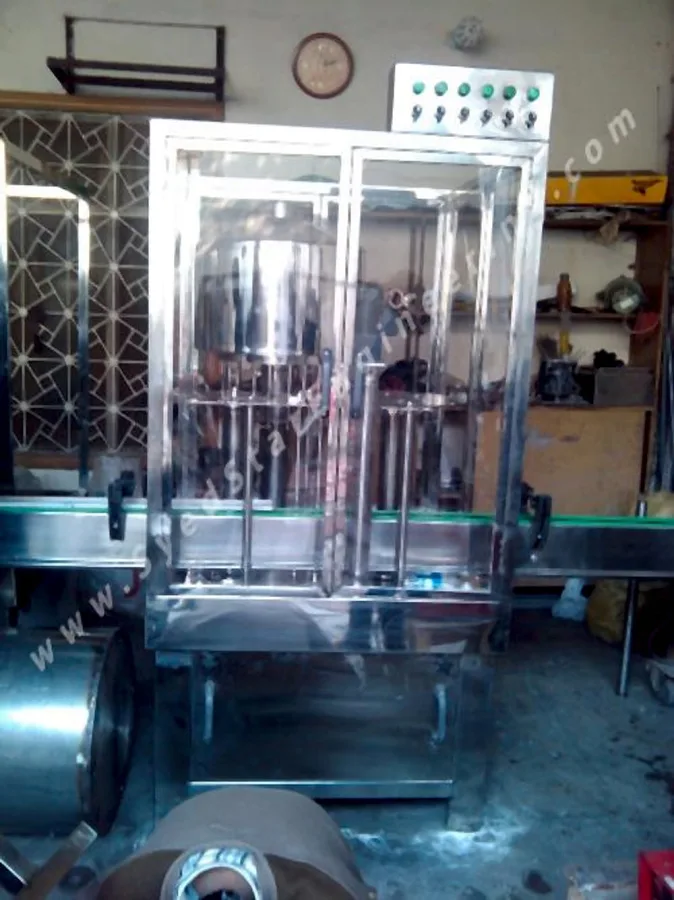
- Filler: fills each bottle to a consistent level
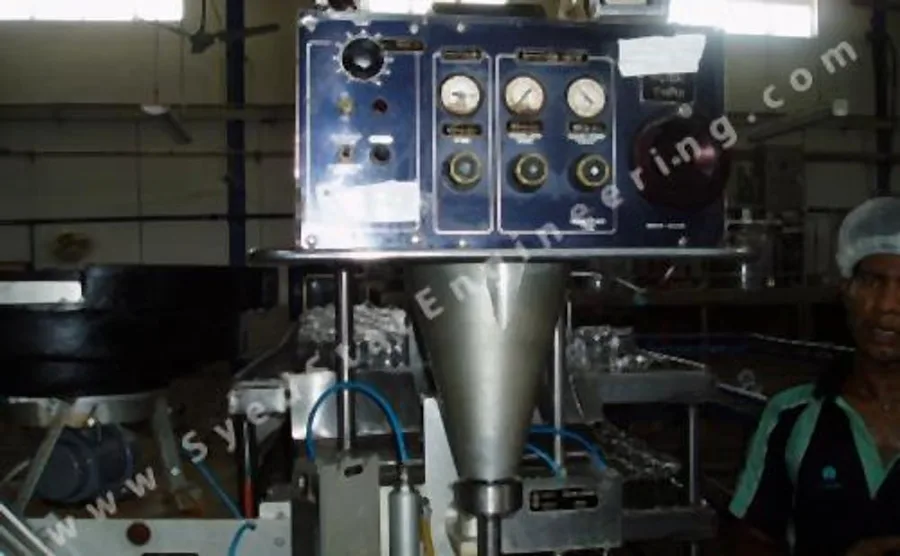
- Capper: applies and tightens closures, fed by a cap chute hopper
- Coding: prints batch and expiry information
- Labelling (if not using pre-printed bottles)
- Shrink wrapping: bundles bottles into packs
- Conveyors linking every stage, with space for inspection
Decide early whether you will buy ready-made bottles or blow them from preforms in-house, because blow moulding adds machinery, compressed air demand and floor space.
6. Utilities checklist
Missing utilities delay start-up more than anything else. Confirm you have, or have budgeted for:
- Electrical supply sized for all machines, including start-up loads, and a plan for power cuts
- Compressed air: clean, dry and at the right pressure and volume
- Refrigeration / chilled water for the carbo cooler and product cooling
- CO₂ supply and storage for carbonated drinks
- Hot water or steam for sugar dissolving and cleaning
- Drainage for rinse water, backwash and RO reject water
7. Layout and floor space
- Arrange the process in a logical flow, from water treatment to syrup room to bottling to packing to dispatch, without crossing paths
- Leave access space around machines for operators, cleaning and maintenance
- Plan raw material and finished goods storage so trucks and pallets don't cross the production area
- Use floor drains and slopes in wet areas
8. Hygiene and cleaning
Ask how the line will be cleaned. Look for stainless steel product-contact parts, smooth welds, sanitary fittings, and connection points for CIP cleaning, so tanks and pipework can be cleaned without dismantling.
9. Questions to ask every supplier
- What output does the machine achieve at my bottle size, not the smallest one?
- Which change parts are included for other sizes?
- Which stainless steel grade is used for product-contact parts?
- Who installs and connects the equipment, and what do I need to prepare on site?
- Which spare parts should I keep in stock, and how quickly can I get more?
Bringing it together
Write your answers to the sections above into a one-page brief: products, pack sizes, BPH, water analysis, available space and utilities. Share the same brief with every supplier. You'll get quotations you can actually compare, and a line designed around your plant rather than a catalogue.