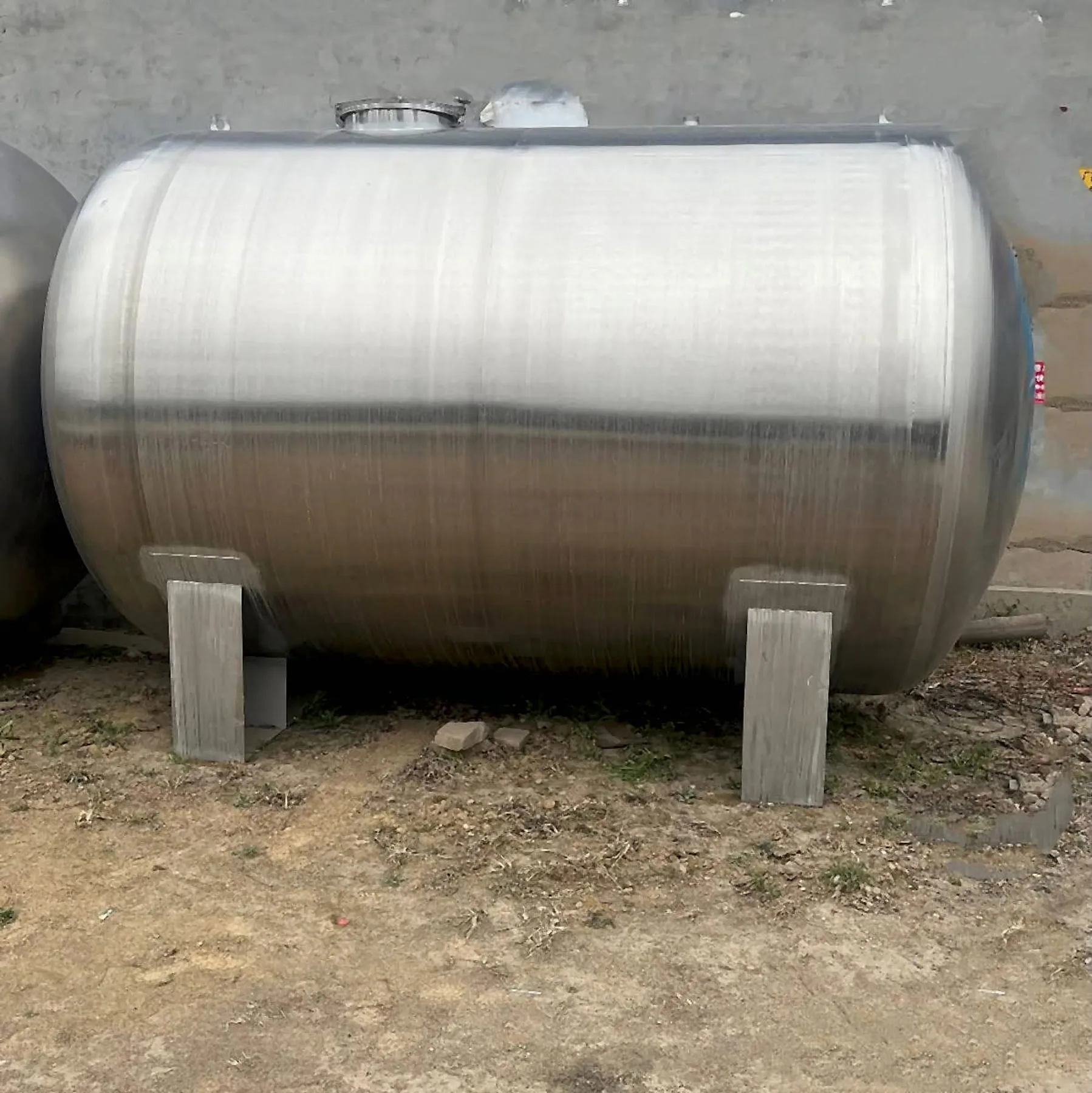
Stainless steel is the default material for anything that touches food, drinks or medicines. It is hygienic, easy to clean and resists corrosion. But "stainless" covers many grades, and the two you will hear about most for process equipment are SS 304 and SS 316.
Both look the same on day one. The difference shows up over years of service, especially in weld seams and wherever salt, chlorides or aggressive cleaning chemicals are involved. Here is how to choose.
What the numbers mean
Both 304 and 316 are austenitic stainless steels. Their corrosion resistance comes from chromium, which forms a thin, invisible, self-repairing oxide layer on the surface.
| SS 304 | SS 316 | |
|---|---|---|
| Chromium | about 18% | about 16–18% |
| Nickel | about 8% | about 10–14% |
| Molybdenum | none | about 2–3% |
| Chloride resistance | Good | Better |
| Cost | Lower | Higher |
The key ingredient is molybdenum. It makes 316 much more resistant to pitting and crevice corrosion: small, deep attacks that start where chlorides sit on the surface, under deposits, in gaps and at gaskets.
When SS 304 is the sensible choice
SS 304 is the workhorse of the food and beverage industry. It is usually a good fit for:
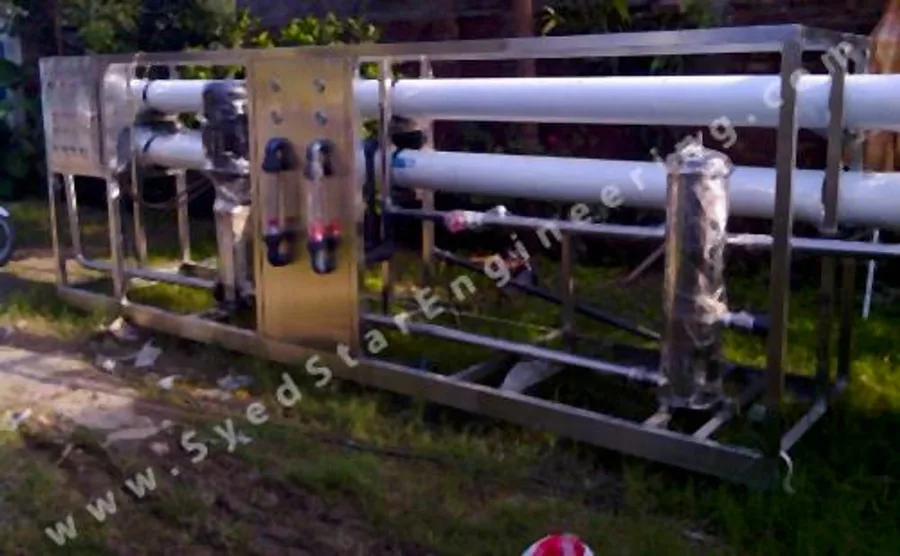
- Treated water and RO water storage
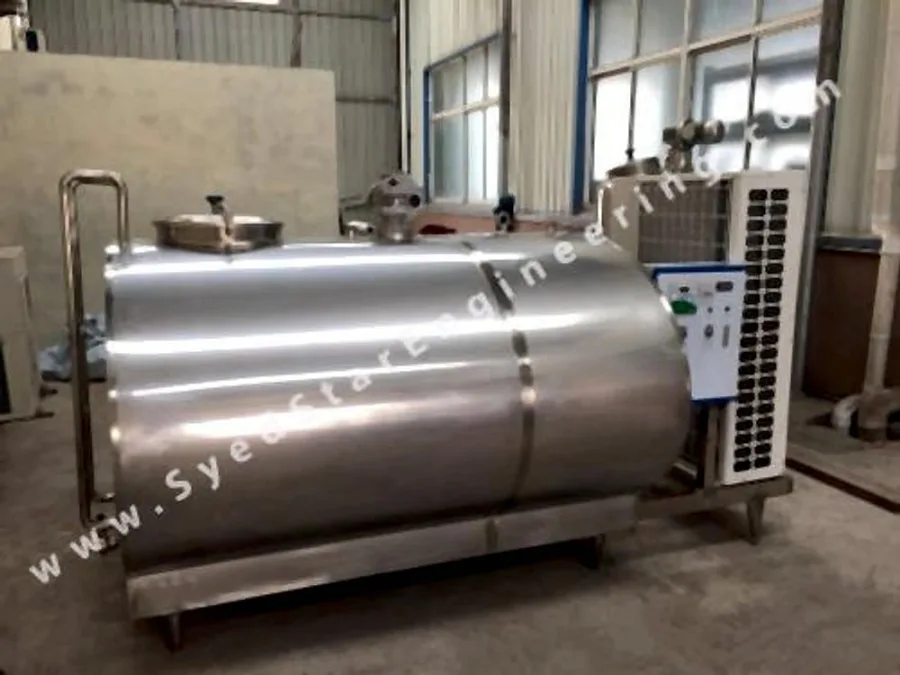
- Milk and cream storage and milk chillers
- Juices and syrups at normal temperatures
- Dry products such as powders and granules
- Frames, platforms, covers and parts that don't touch the product
If the product isn't salty, the cleaning regime is sensible, and the equipment is kept clean and dry between uses, 304 gives long service at a lower price.
When SS 316 is worth paying for
Choose 316 when chlorides or harsher conditions are part of the job:
- Salty or brined products: sauces, ketchup, pickles, cheese brine
- Water with high chloride content, for example some brackish or borehole sources
- Aggressive or hot cleaning chemicals, including chlorinated sanitisers used often
- Pharmaceutical contact parts, where 316 or 316L is the usual specification
- Coastal or humid sites, where salt in the air settles on outside surfaces
A useful rule of thumb: if you are unsure about chlorides, get a water or product analysis before you decide. The extra cost of 316 is small compared with replacing a pitted tank.
What the "L" means: 304L and 316L
The "L" grades are low-carbon versions (maximum 0.03% carbon instead of 0.08%). During welding, the zone next to the weld is heated. In standard grades, carbon can combine with chromium there, leaving the steel locally short of chromium and more likely to corrode. This is called sensitisation.
Low-carbon grades greatly reduce that risk, which is why 304L and 316L are often specified for heavily welded vessels, such as tanks, jackets and pipework.
Fabrication matters as much as the grade
The best grade can still corrode if it is fabricated badly. When you compare quotations, ask about:
- Weld quality. Smooth, fully penetrated welds without crevices, especially on the product side.
- Surface finish. Product-contact surfaces should be smooth and polished so product and bacteria can't cling to them. Food and dairy equipment is commonly specified with a smooth finish, and pharmaceutical equipment often with a finer one.
- Removing heat tint. The coloured discolouration next to welds is weaker than the surrounding steel. It should be removed by pickling or polishing.
- Passivation. Chemical treatment after fabrication helps restore the protective chromium oxide layer and removes free iron picked up from tools.
- Separate tools. Grinding discs or brushes previously used on carbon steel can embed iron particles that rust later.
Don't rely on a magnet
A common shortcut is to test stainless steel with a magnet. It isn't reliable: austenitic grades are mostly non-magnetic, but cold-worked areas such as bends and rolled edges can become slightly magnetic. A magnet also can't tell 304 from 316.
Instead, ask for the mill test certificate (MTC) for the sheet and pipe used, and make sure the grade is stated in your purchase order.
Quick decision guide
- Water, milk, juice, syrup, dry goods, normal cleaning: SS 304 / 304L
- Salt, brine, high-chloride water, aggressive or frequent chlorinated cleaning: SS 316 / 316L
- Pharmaceutical product contact: SS 316L is the usual choice
- Heavily welded vessels: prefer the L grades
Every project is different, so share your product, cleaning method and water analysis with your fabricator. They should explain which grade they recommend and why.